Designing Emotion: The Soul of Hospitality Spaces
By IMAGEMAN Studio
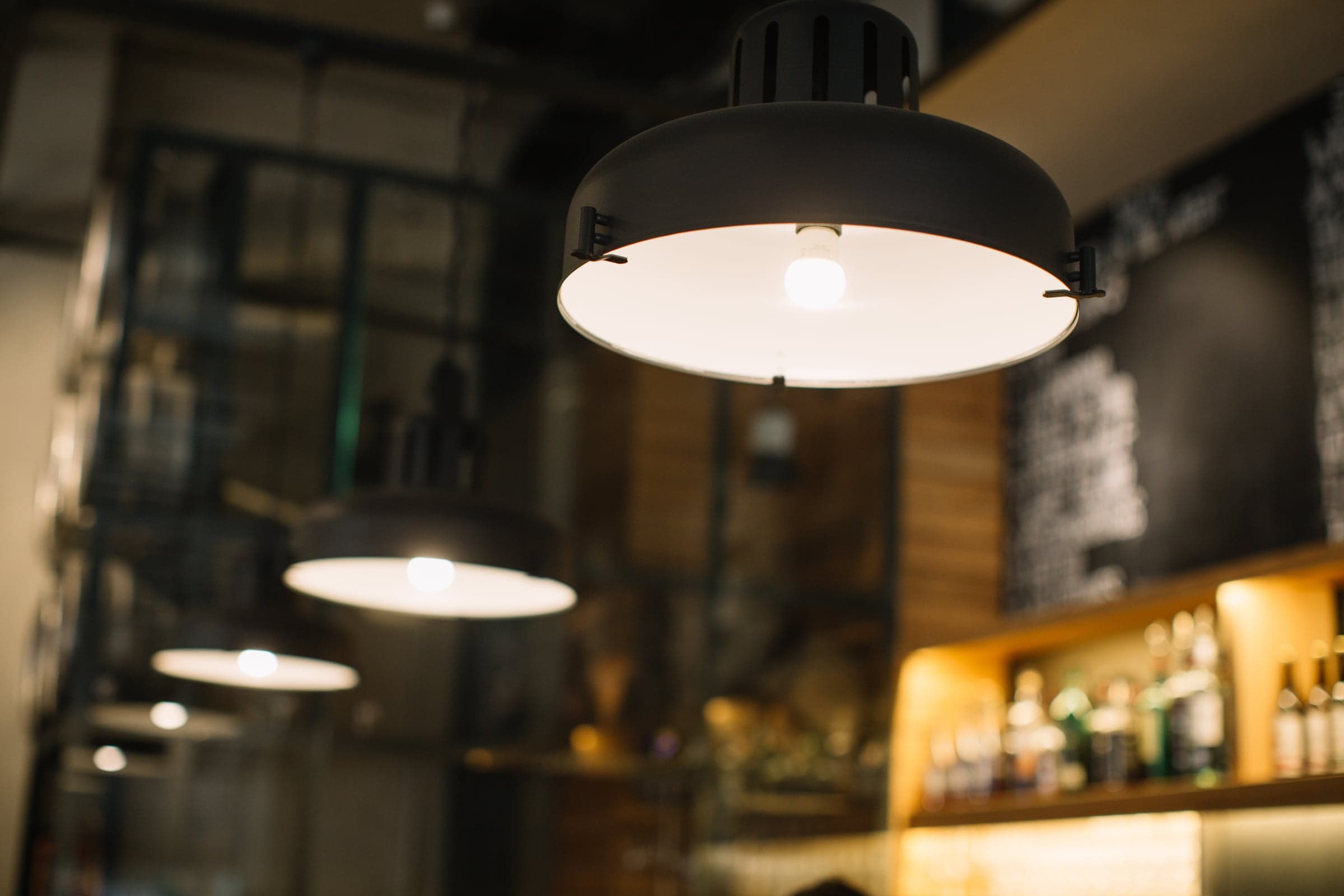
Walk into a truly great restaurant and you rarely notice the design first. You notice how you feel — unhurried, welcomed, a little more interesting than you did on the sidewalk outside. That feeling is not an accident. It is the result of hundreds of deliberate decisions about light, material, sound and distance, made long before the first guest ever sits down.
We think of hospitality design as emotional engineering. A restaurant is not simply a container for a menu; it is a sequence of moments — arrival, seating, the first sightline across the room, the weight of a menu in your hands — each one an opportunity to say something about who this place is for and what it values.
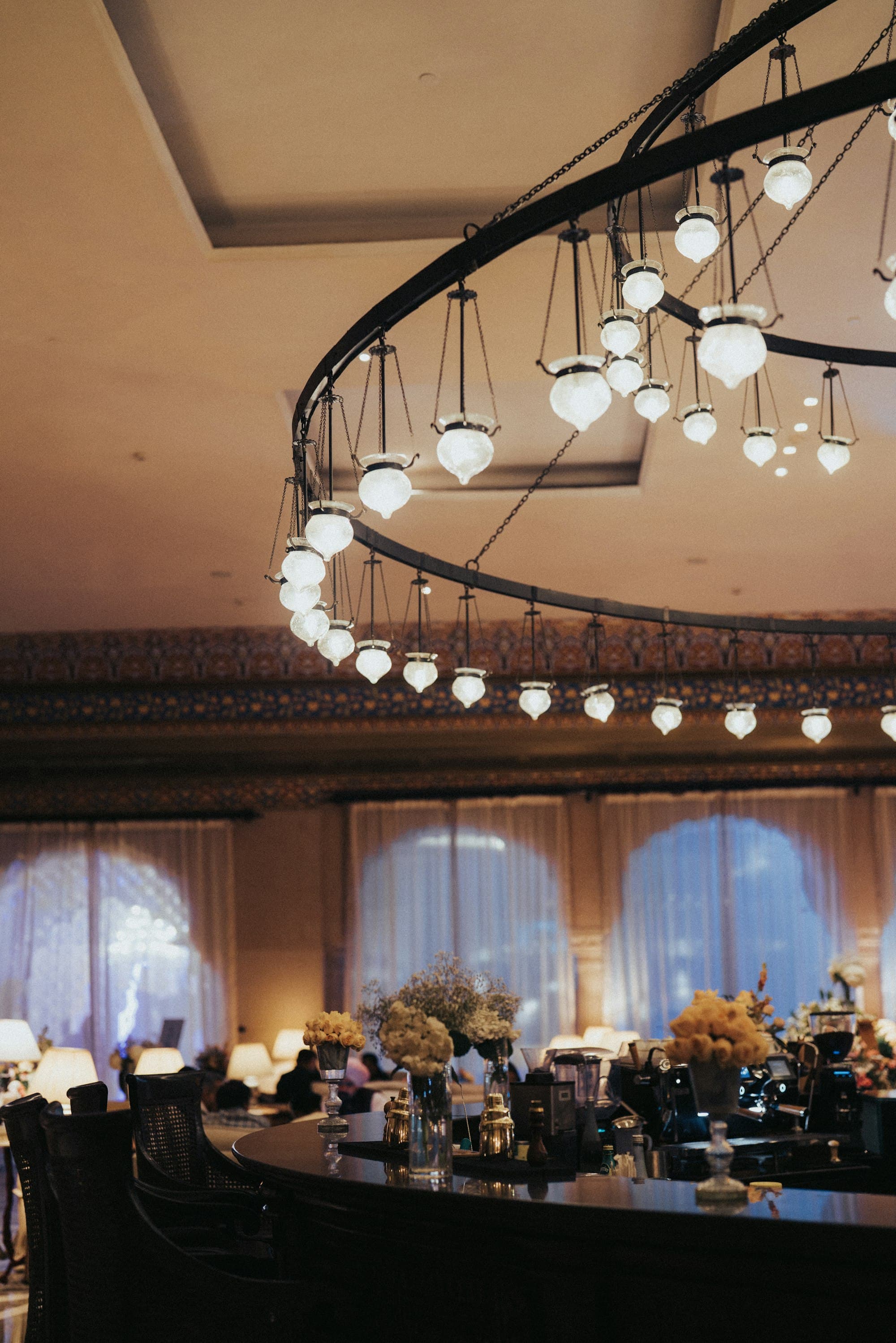
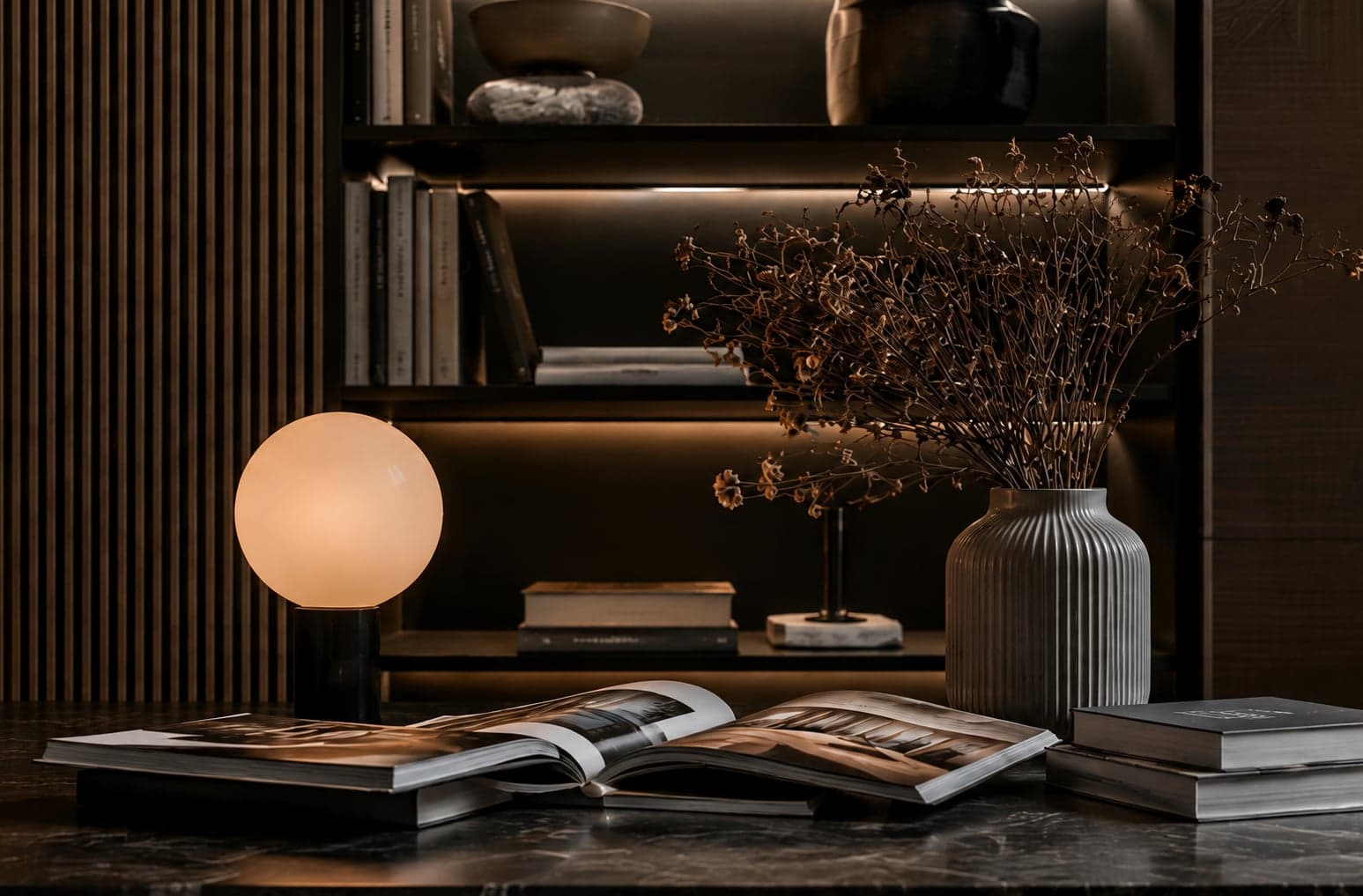
Lighting does more of this work than any other element. Warm, low, layered light flatters the food and the faces around the table, and it slows people down in a way that overhead fluorescents never could. We rarely light a room evenly. Instead we build pools of light and shadow that give a space depth, so that even a single dining room can feel like several different rooms depending on where you sit.
“A restaurant is not simply a container for a menu; it is a sequence of moments, each one an opportunity to say something about who this place is for.”
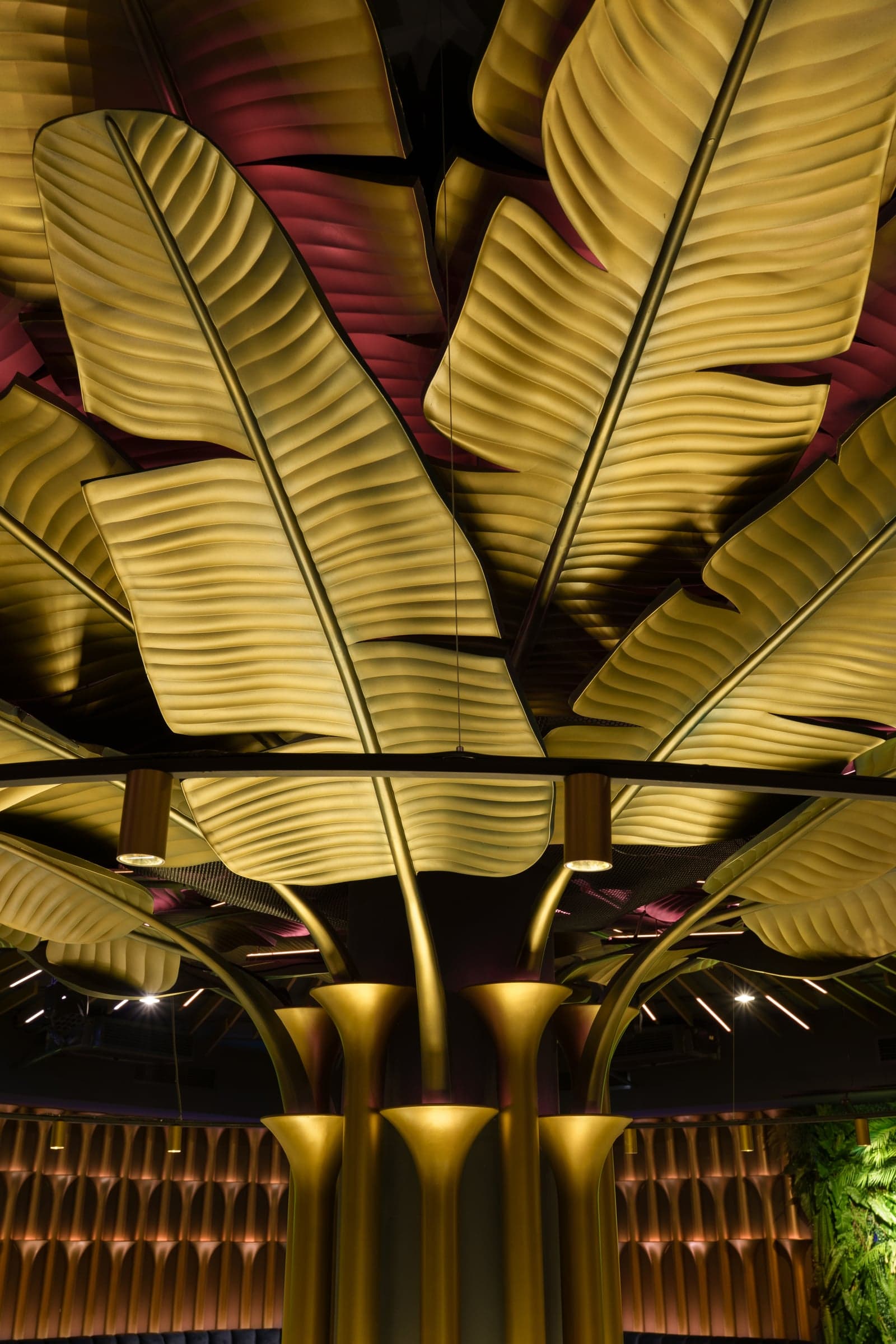
Materials carry memory. A hand-finished plaster wall, a reclaimed timber table, the particular sound a heavy door makes when it closes — these details register below conscious notice, but they are exactly what a guest is remembering when they tell a friend a place "just felt right." Getting them right takes restraint as much as ambition; the goal is coherence, not spectacle.
None of this replaces good food or good service. But it sets the stage on which both are received. When the room, the light and the story are aligned, hospitality stops being a transaction and starts being an experience worth returning for.