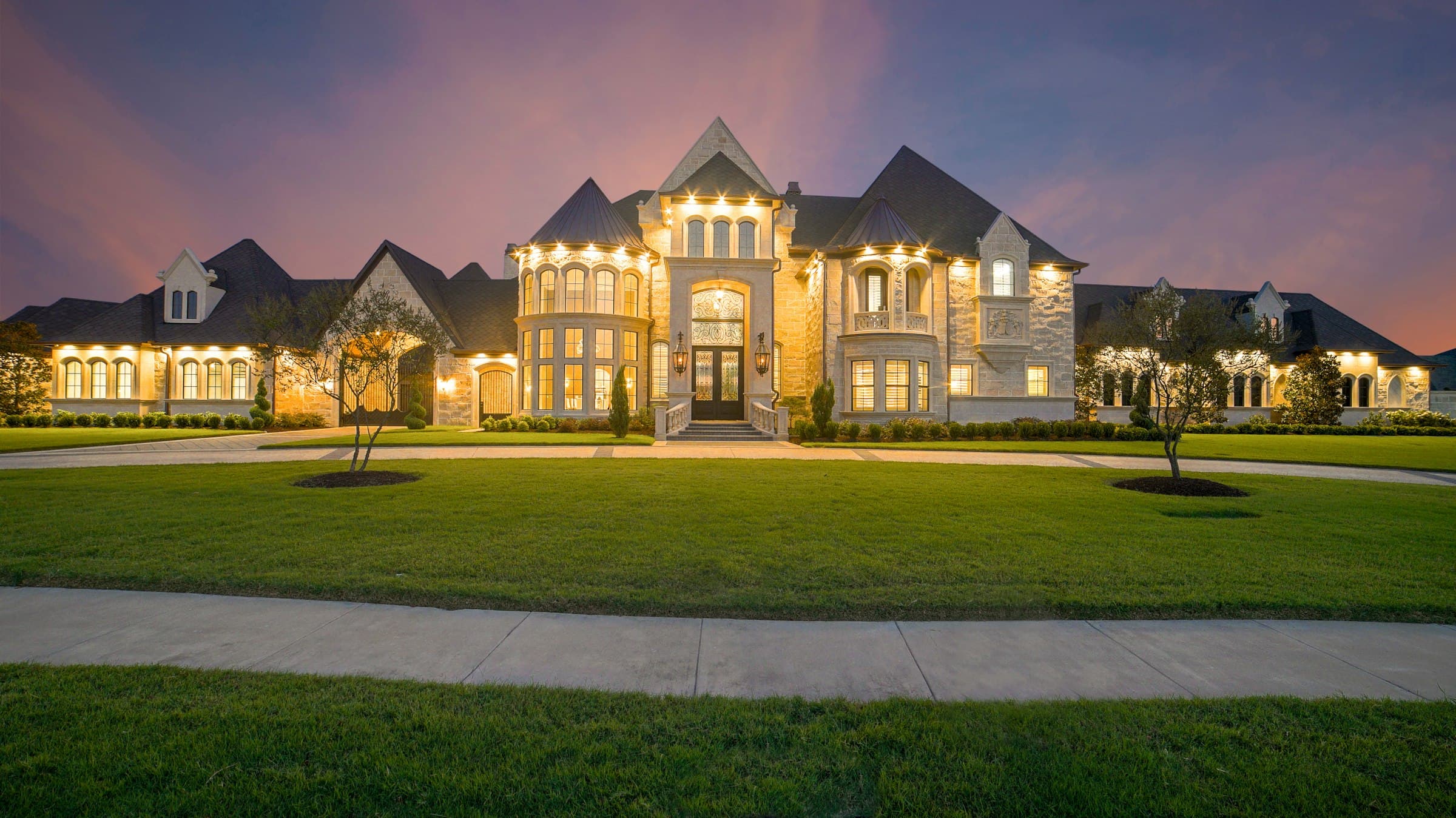
A building that ignores its site is rarely a good building, no matter how striking it looks in isolation. Every project starts with the same question: what does this specific place — its light, its climate, its neighbors — actually ask of a building placed here?
Context isn't a constraint to work around; it's information. Orientation, prevailing wind, the rhythm of neighboring facades, the way people already move through a site before construction begins — all of it shapes decisions long before massing or material selection enters the conversation.
Connection also means connection between people and purpose. A house should read differently from a mixed-use development, not because one is more important, but because they ask a building to do fundamentally different work for the people who will use it every day.
“Context isn't a constraint to work around; it's information — about light, climate, and how people already move through a place.”
The architecture we're proudest of tends to be quiet about its own cleverness. It solves real constraints — structural, regulatory, environmental — so cleanly that the solution reads as inevitable rather than ingenious.
That clarity is the actual goal. Not a building that announces itself, but one that makes sense the moment you understand what it was built to do.