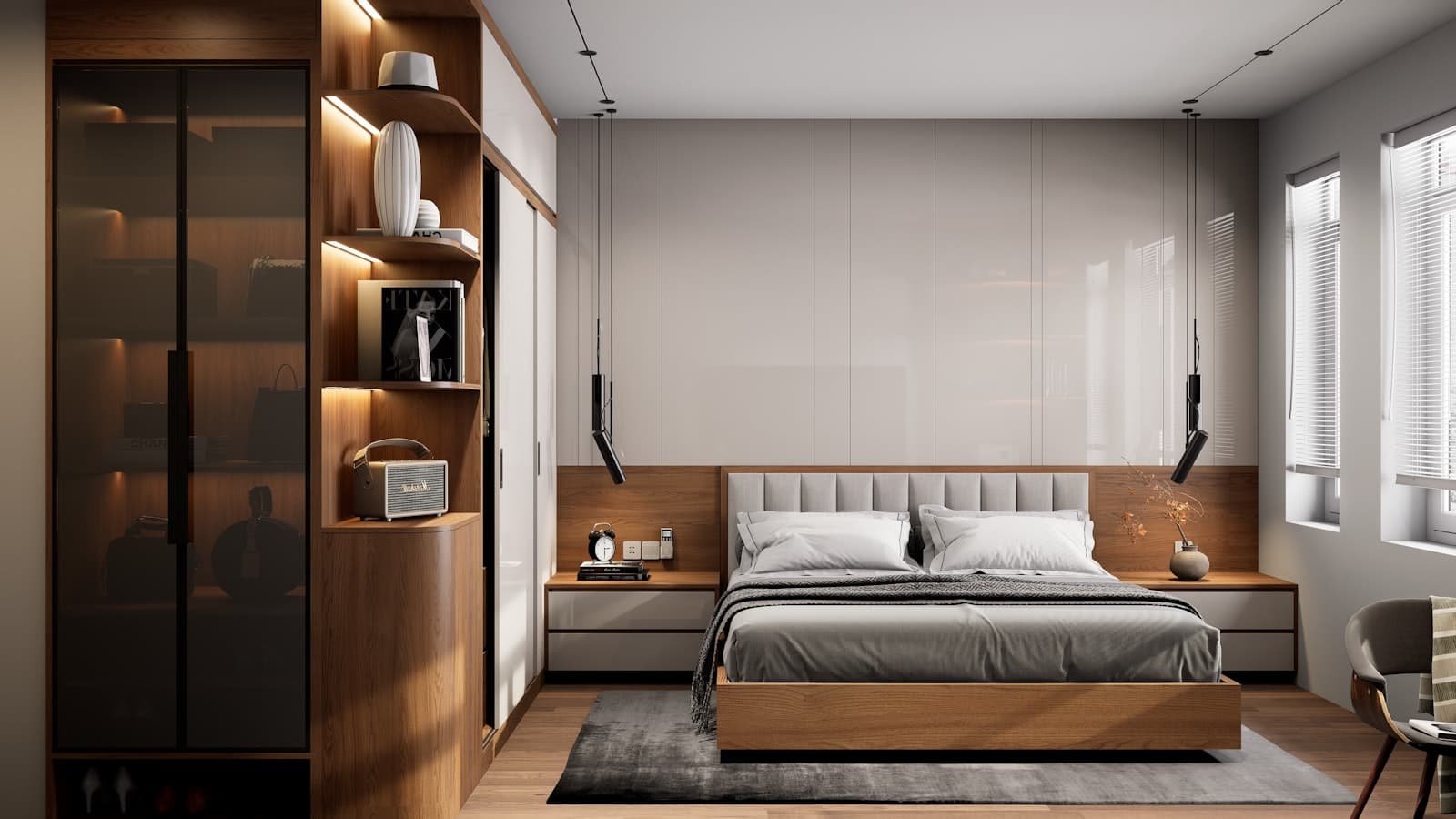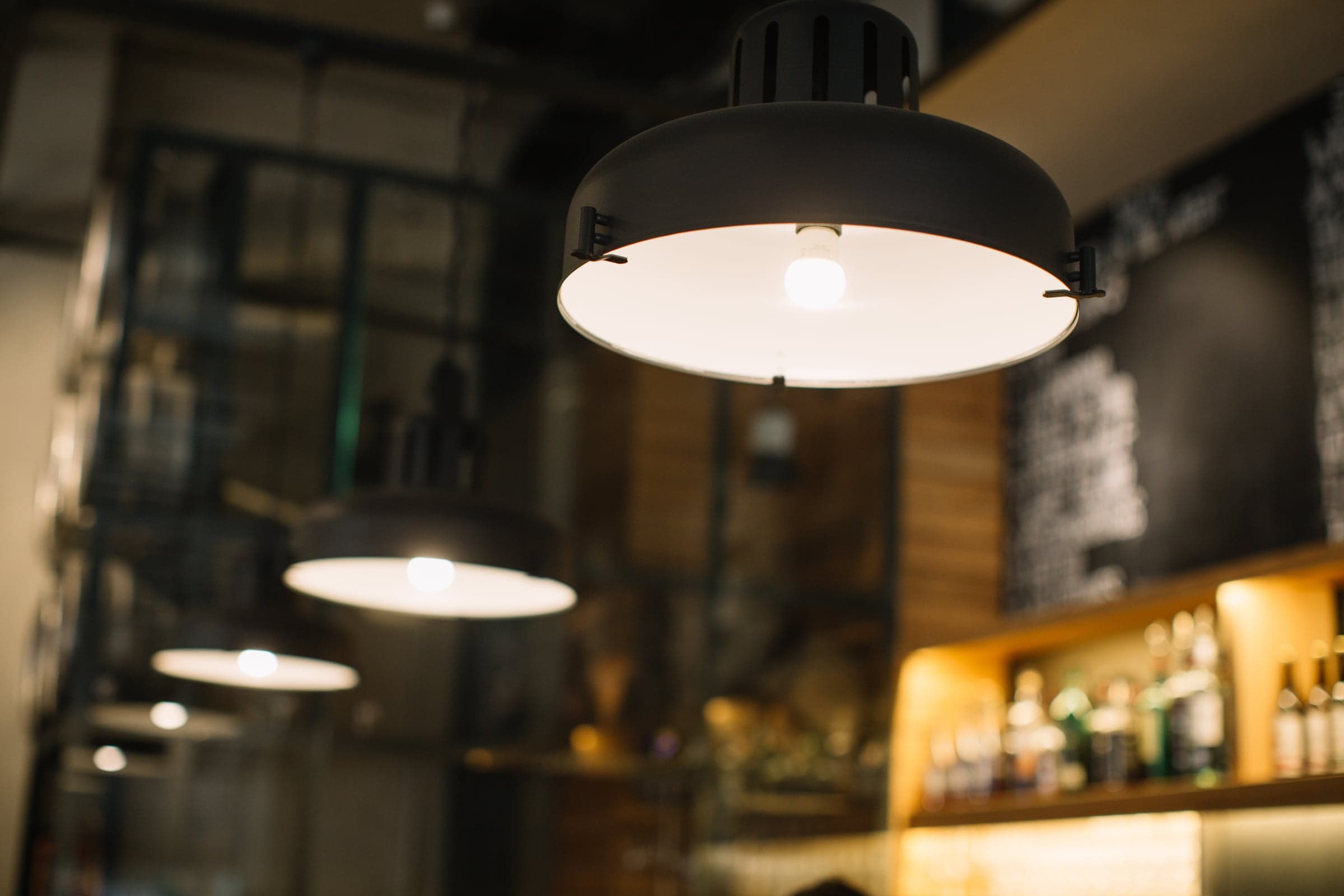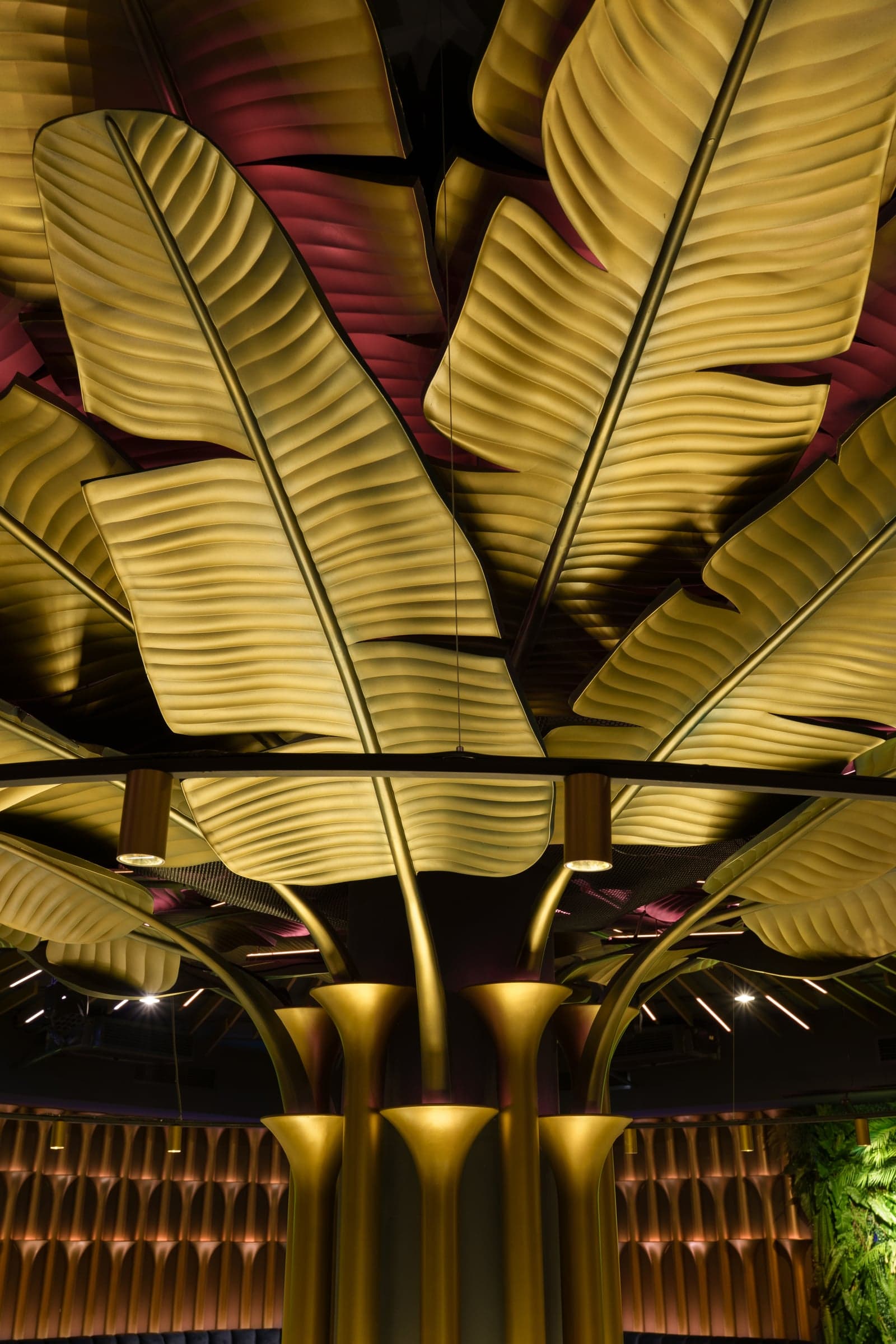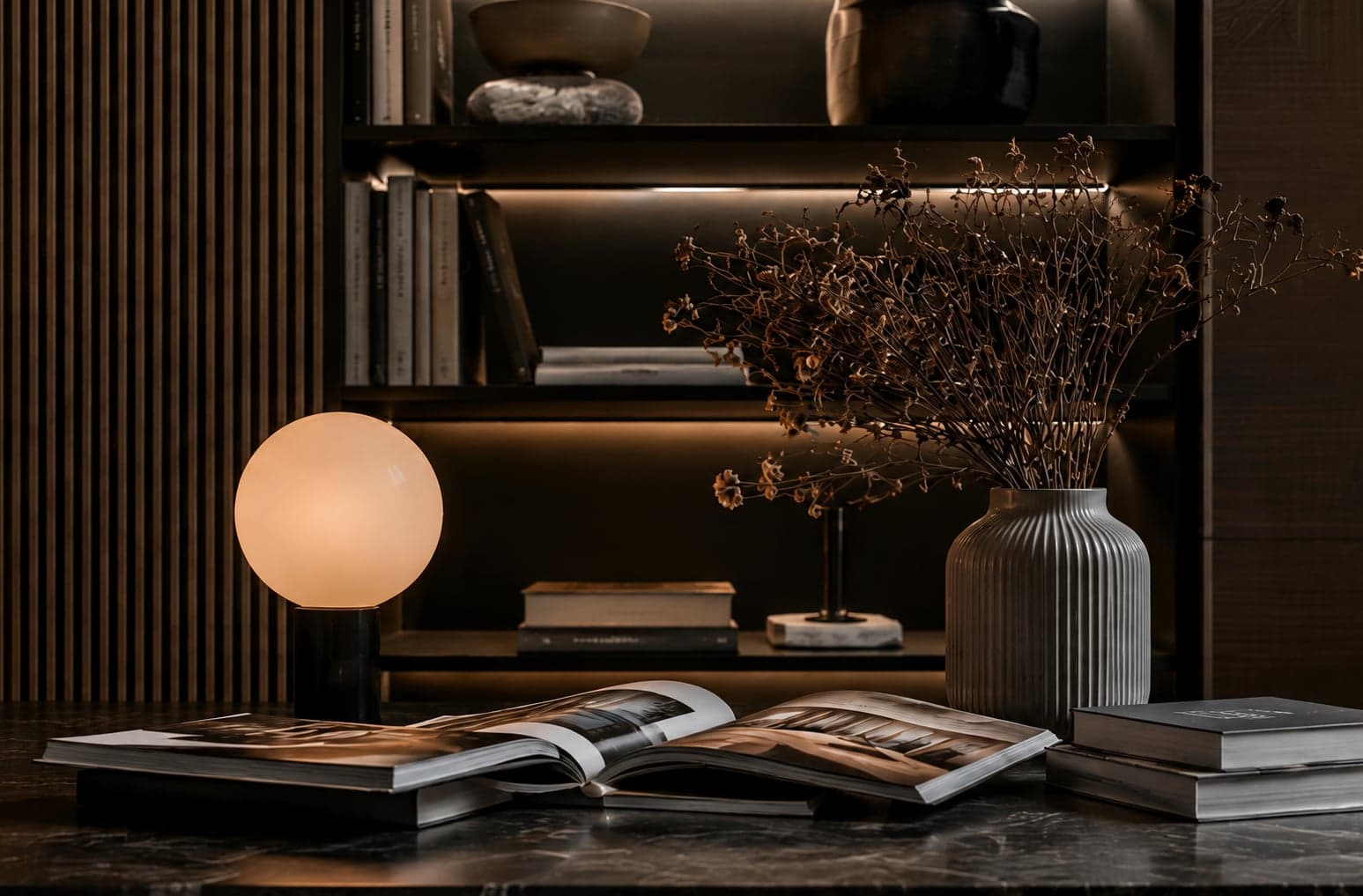
Trends move quickly; materials don't. Stone, solid wood, leather and hand-finished plaster have anchored interiors for centuries, not because they were fashionable but because they age instead of expiring. A scratch in laminate is damage. A scratch in solid oak is history.
We choose materials the way we choose collaborators — for how they behave under pressure over time, not just how they photograph on day one. Natural materials wear unevenly and honestly, which is precisely what gives a space warmth as it matures rather than making it look dated.
“A scratch in laminate is damage. A scratch in solid oak is history.”
This isn't an argument against innovation. New materials and finishes have a place, particularly where performance requirements are strict. But we treat them as supporting material, layered against a natural, tactile base, rather than as the main event.
Sustainability follows naturally from this approach. Materials chosen to last decades, sourced and finished with care, generate less waste over a building's lifetime than anything chosen purely for a moment's trend — which is, in the end, also the more sustainable design decision.